Skip to content
Black BalladIndex

Report · Published 18 November 2026

The State of Black British Makeup 2026

Nearly a decade ago, beauty brands expanded to sell 40 shades of foundation. So why are so few Black women satisfied with the shade ranges available?

  1. 14%

    can easily find foundations that complement their undertone

    Q.10

  2. 48%

    regularly mix two or more foundations to get their perfect shade match

    Q.12

  3. 12%

    feel store staff understand their complexion and the undertones of deeper skin

    Q.20

  4. 17%

    feel their skin tone is adequately represented in beauty advertising. Fewer than one in five.

    Q.7

  5. 92%

    say finding the right makeup products takes significant time, effort and research

    Q.37

Each swatch is drawn to the share of the 155 women who agreed. The dashed line runs to 100%.

Insights from Black women across the UK on where beauty still fails them, and what would earn their loyalty.

1 Headline findings

What Black Women Told Us About Makeup

23%

are satisfied with the range of foundation shades offered by mass-market beauty brands

  • 29%

    say the same of luxury beauty brands

    Q.6

“I am satisfied with the range of foundation shades offered by mass beauty brands.” Q.5

No matter the price point, Black women are not satisfied with the shade range available.

It’s been nearly a decade since “The Fenty Effect”, with many beauty brands broadening their shade ranges in response. However, while the effort was noticed and appreciated among Black consumers, the desired impact has fallen short.
58%

name shade match as the single biggest challenge in finding makeup that works for them

“What is the single biggest challenge you face when trying to find makeup products that work for you?” Q.1, an open question coded by theme

More shades widened the search, without improving accuracy.

Ranges expanded without solving undertone, pigment density and finish on deeper skin. The number of products that could be the right match went up, but the number that actually are did not keep pace, so Black women now sift through more near-misses to find their shade. Women who mix foundations to build a shade the shelf does not hold are more likely to walk more stores, waste more product and find fewer undertone matches.

3.6×

as likely to feel advisors understand their complexion, among women who believe brands’ inclusivity efforts are genuine

  • 29%

    of women who believe brands’ inclusivity efforts are genuine

  • 8%

    of women who are neutral or disagree

“I feel that beauty advisors / store staff understand my complexion needs and the nuances of undertones in deeper skin tones.” Q.20, split by Q.28: “I believe that brands’ efforts toward inclusivity are genuine and not just for show.”

Black women want better beauty advisors, but the gap isn’t solely about advisor competence.

Staff training is the improvement Black women ask for most, named by 26%. Yet the one in five who feel the industry’s inclusivity efforts are genuine rate advisors higher on every measure: knowledge, complexion and overall experience. Trust in a brand, and in its ability to keep its product promise, frames how every interaction at the counter is judged.

52%

of women who feel represented in beauty advertising are satisfied with luxury shade ranges

  • 24%

    of women who do not feel represented say the same

Satisfied with luxury shade ranges (Q.6), split by feeling represented in beauty advertising (Q.7).

When the brand marketing lands, Black women respond.

Story and mythology, not function, are what gave luxury its prestige, yet beauty still sells Black women on function. When it does sell them the story, they respond the way every other audience does, and luxury responds twice as hard as mass-market. Black women are not asking beauty to invent a new playbook. They are asking it to run the one it already runs for every other audience.

94%

say positive shade-matching makes them more likely to repurchase from a brand

  • 72%

    recommend a perfect shade to friends and family when they find one

    Q.36

“Positive shade-matching makes me more likely to repurchase from a brand.” Q.9

The opportunity is simple: do the job your brand promises everyone else.

This is the most strongly agreed statement in the survey. The job is to help Black women find the makeup products that actually work for them. Do a good job and you become a staple in her life; do a great job and she refers you to her loved ones. Yet across product, service and communication, Black women say they too rarely get the standard experience most beauty brands promise.

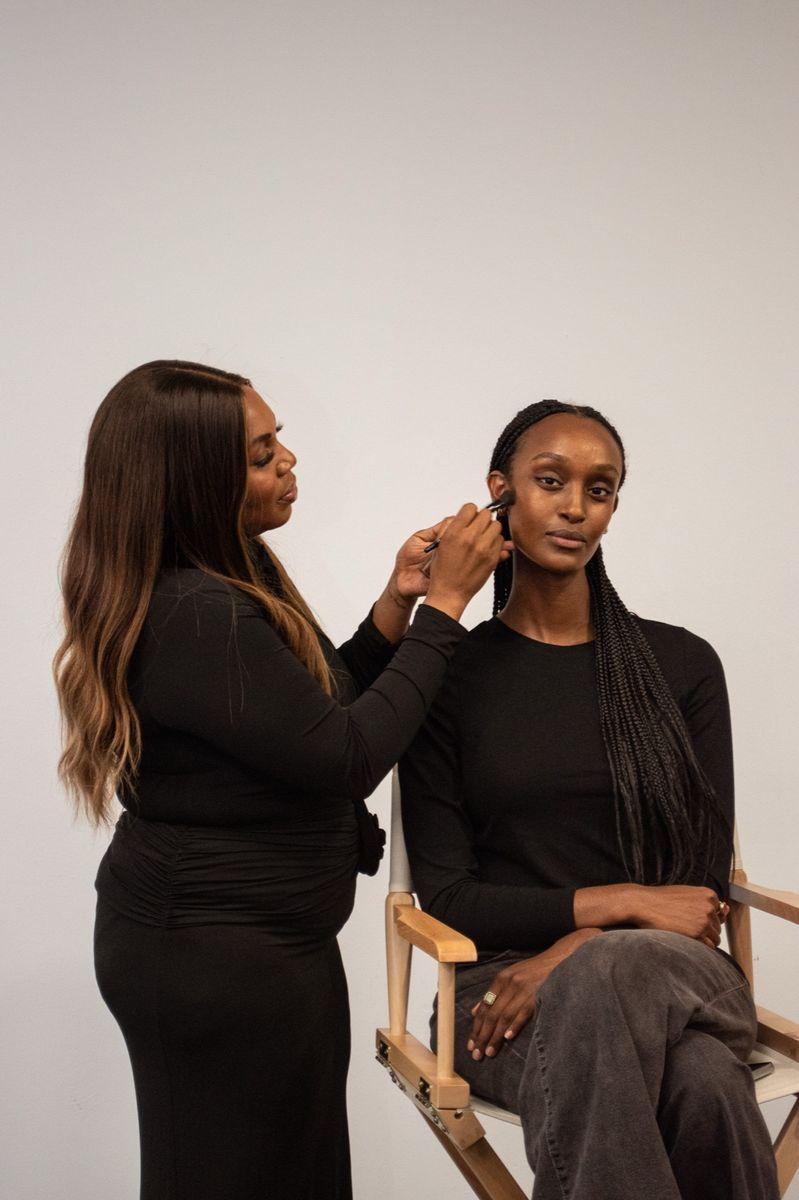
A makeup artist brushes product onto the cheek of a seated woman with long braids, against a plain studio wall
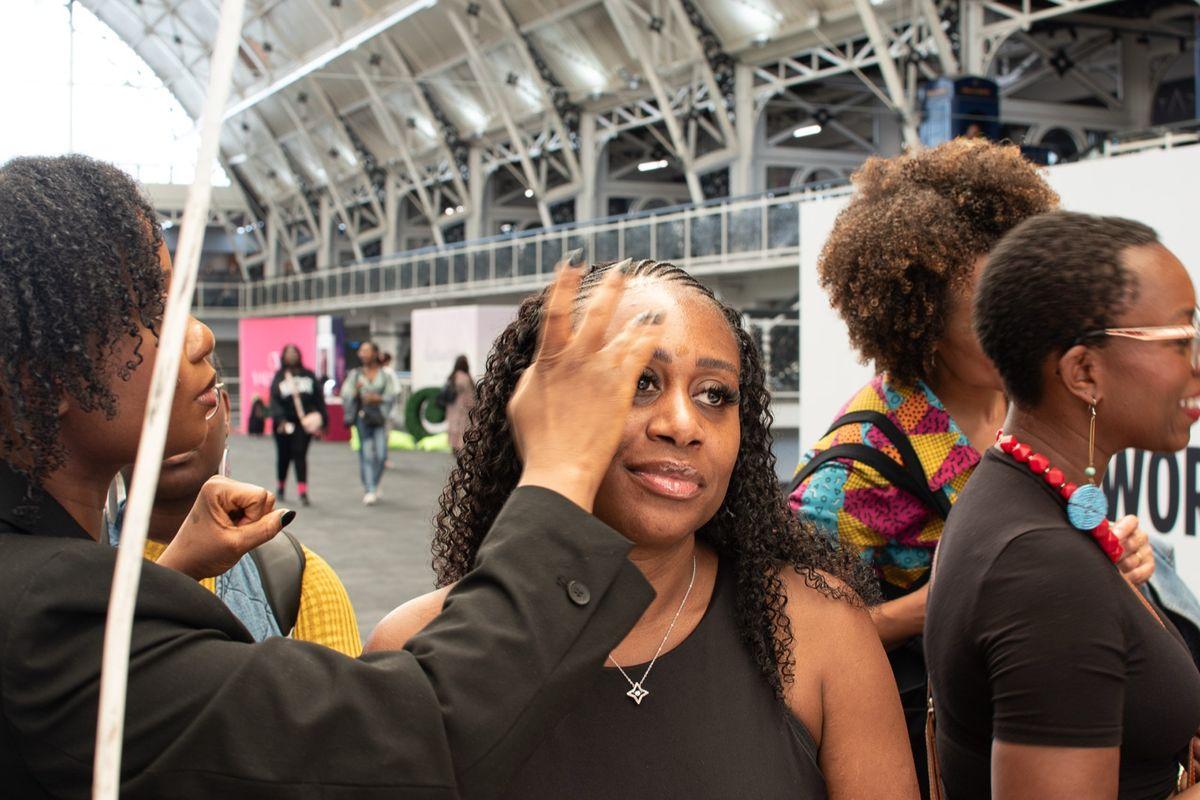
A woman in a black top has her brow touched up by a friend in a busy exhibition hall, with other women chatting beside them
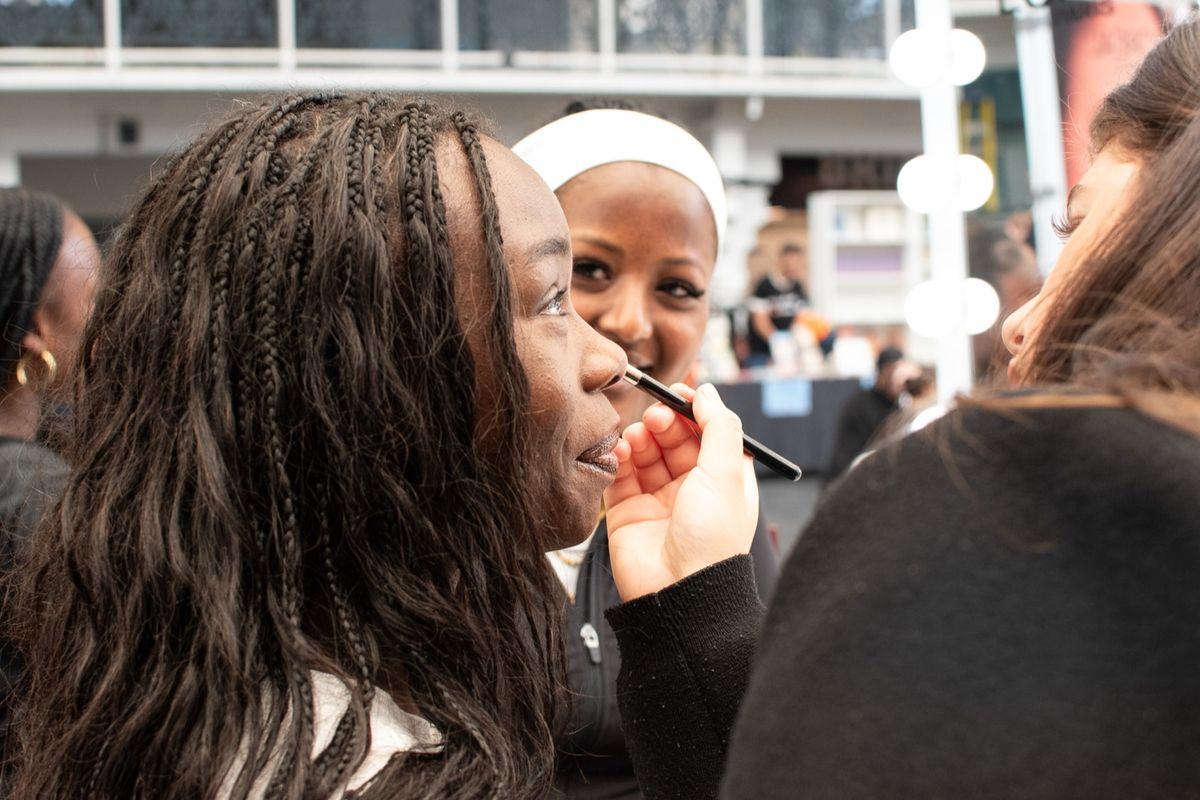
A woman with long braids has lip liner applied at an event while a friend in a white headband smiles behind her
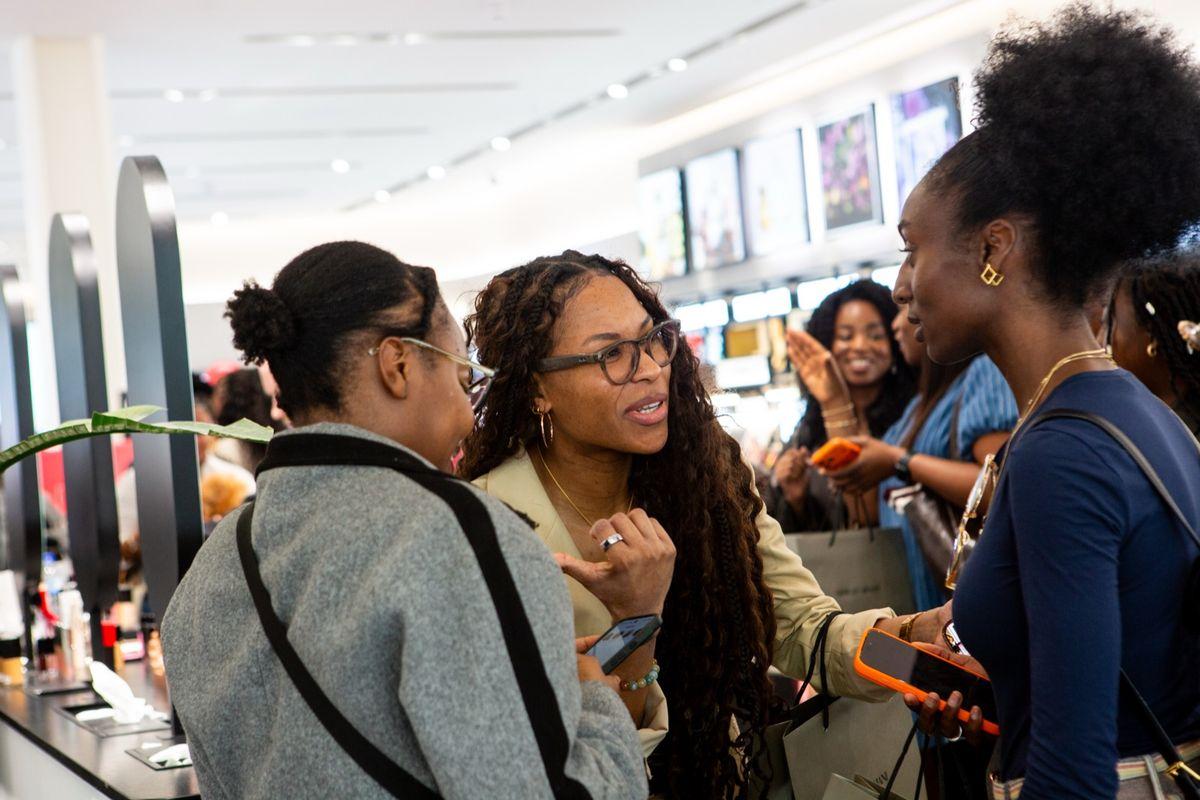
Women chat beside the mirrors at a makeup counter, one mid-story while a friend in the background laughs

2 Inside the report

Table of Contents

  1. Prologue:

    Did 40 Shades Work?

    More selection does not equal better, happier customers

  2. Act I:

    The Product Problem

    More shades was only part of the solution

  3. Act II:

    The Service Problem

    Wider shelves need sharper staff

  4. Act III:

    Sold the Shade, Not the Story

    Why don’t we sell Black women the category promise?

  5. Act IV:

    Social’s Double Edge

    Black women turned to each other & the bar went up

  6. Act V:

    The Price of Loyalty

    The friction tax is costing Black women… and beauty brands

  7. Act VI:

    What ‘Good’ Looks Like

    The same brand promise, delivered for Black women too

3 Who took part

155 Black women, by skin tone, age and income

  • Tones 1 to 4
    0%nobody
  • Tones 5 and 6
    11%17 women
  • Tone 7
    27%42 women
  • Tone 8
    46%71 women
  • Tones 9 and 10
    16%25 women

Black Ballad Beauty Council survey, September 2025. n=155.

Skin tone

89%

Tones 7 to 10

Most chose tone 7 or 8 on the 10-point Monk Skin Tone Scale. Nobody chose tones 1 to 4.

4 Put it to work

What you can do with this research

For brands, retailers and agencies

Turn the findings into a plan for your team

We walk your team through the findings that matter to your function, then help you test what to do next with the women who live it.

  • A briefing on the findings for product, insight, marketing or retail teams
  • Paid pilots with the Beauty Council: test shades, formulas, advisor training or campaigns
  • Cuts of the data by skin tone, age and region, where groups are big enough

For Black women

Take part in the next survey

This research came from the Black Ballad Beauty Council: our community building better beauty for Black women, together.

About the survey

155

Black women in the UK surveyed

49

questions on shade, service, price and social

Sept 2025

fieldwork, with the Black Ballad Beauty Council

5 About this research

How we did it

Who
155 Black women in the UK, members of the Black Ballad Beauty Council
When
Online survey, September 2025
What
49 questions: 47 five-point statements and two open questions
Skin tone
Self-reported on the 10-point Monk Skin Tone Scale

Members chose to take part and received a setting spray as a thank-you. Results are not weighted, and the sample is not nationally representative: about two in three live in Greater London. Findings describe the women surveyed. Open answers were coded into themes, and group comparisons were tested for statistical significance.

Cite this report

Black Ballad (2026). The State of Black British Makeup 2026. Survey of 155 Black women in the UK, Black Ballad Beauty Council, September 2025. Published 18 November 2026.
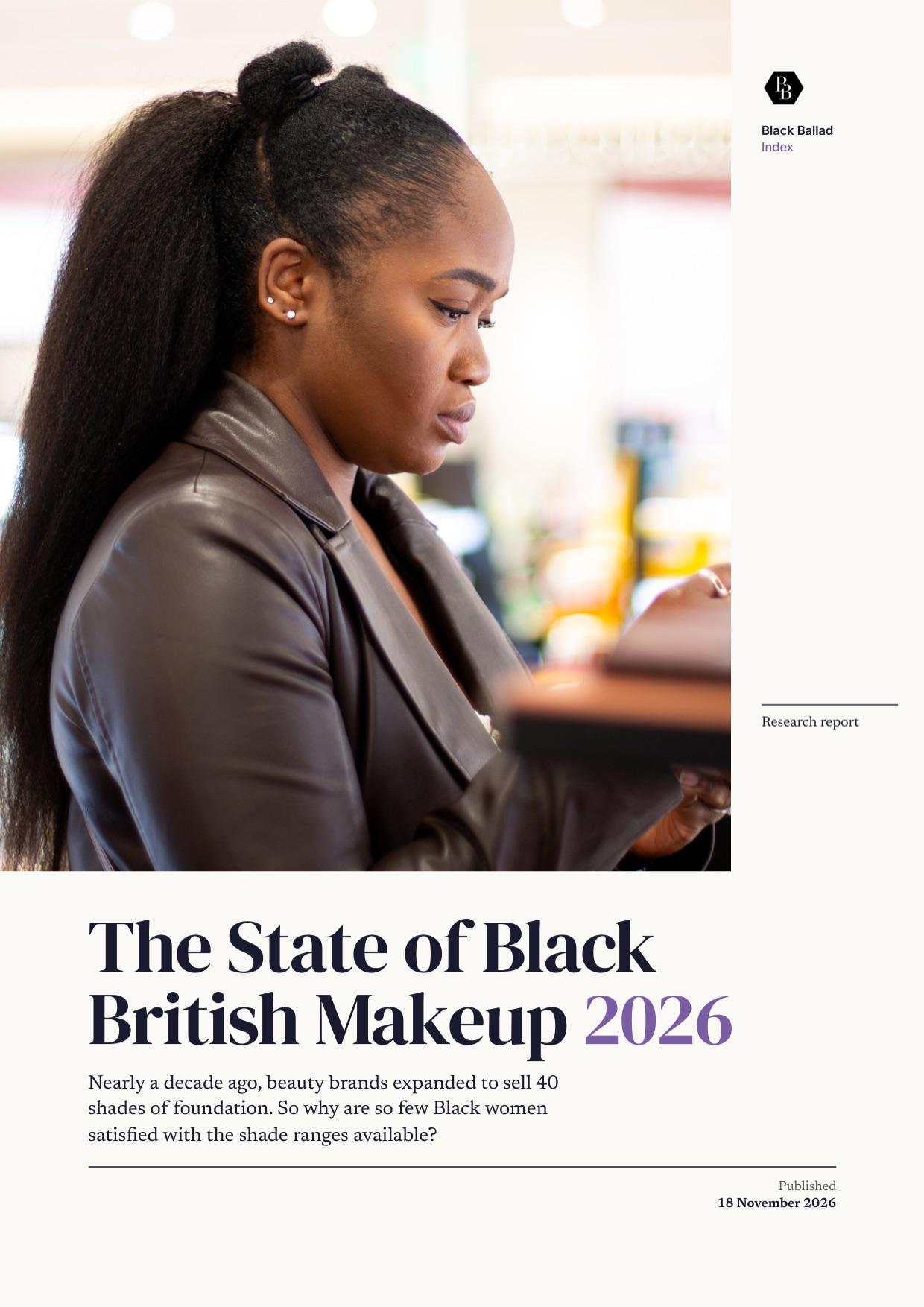
The report cover

The full report

Take the full report into your next meeting

Press enquiries: research@blackballad.co.ukPublished 18 November 2026